
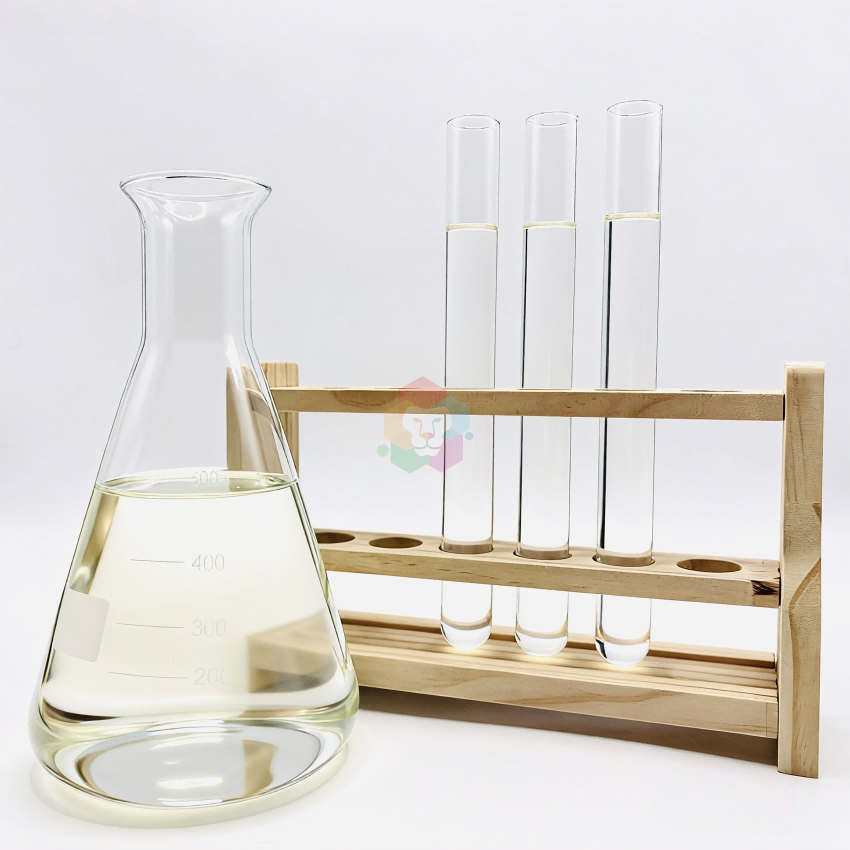
Epoxidized linseed oil (ELO) is a versatile bio‑based additive with a wide range of practical applications, especially in the plastics and coatings industries. Its main role is as a secondary plasticizer and heat stabilizer, but its use has gradually expanded into many other fields.
The largest application is in PVC products. In flexible PVC for cables, wires, synthetic leather, flooring, films, hose, and gloves, ELO is used together with primary plasticizers to improve flexibility, reduce brittleness, and enhance thermal and light stability. It helps capture hydrogen chloride released during PVC degradation, thus maintaining color and mechanical properties. In transparent or light‑colored PVC films, suitable grades of ELO can help maintain clarity while providing stabilization.
ELO is also found in printing inks, coatings, and paints. Its epoxy groups and long fatty chains improve adhesion, flexibility, and resistance to chemicals and weathering. In plastic coatings, wood coatings, and metal primers, ELO can act as a reactive diluent or co‑binder, contributing to lower VOC levels and better film toughness. In inks, it enhances gloss and rub resistance, and can help printers meet stricter environmental regulations.
In adhesives and sealants, ELO is used as a modifier to improve elasticity, impact resistance, and adhesion to polar and non‑polar substrates. It is sometimes incorporated into epoxy, polyurethane, or acrylic systems to partially replace petroleum‑based plasticizers and reactive diluents.
Beyond these, ELO is explored in biodegradable materials, composite matrices, and UV‑curable systems, where its renewable origin and reactive epoxy functionality are valuable. As industries pursue greener formulations, ELO is increasingly adopted as a safer, more sustainable alternative to traditional phthalate plasticizers and fossil‑based stabilizers.