
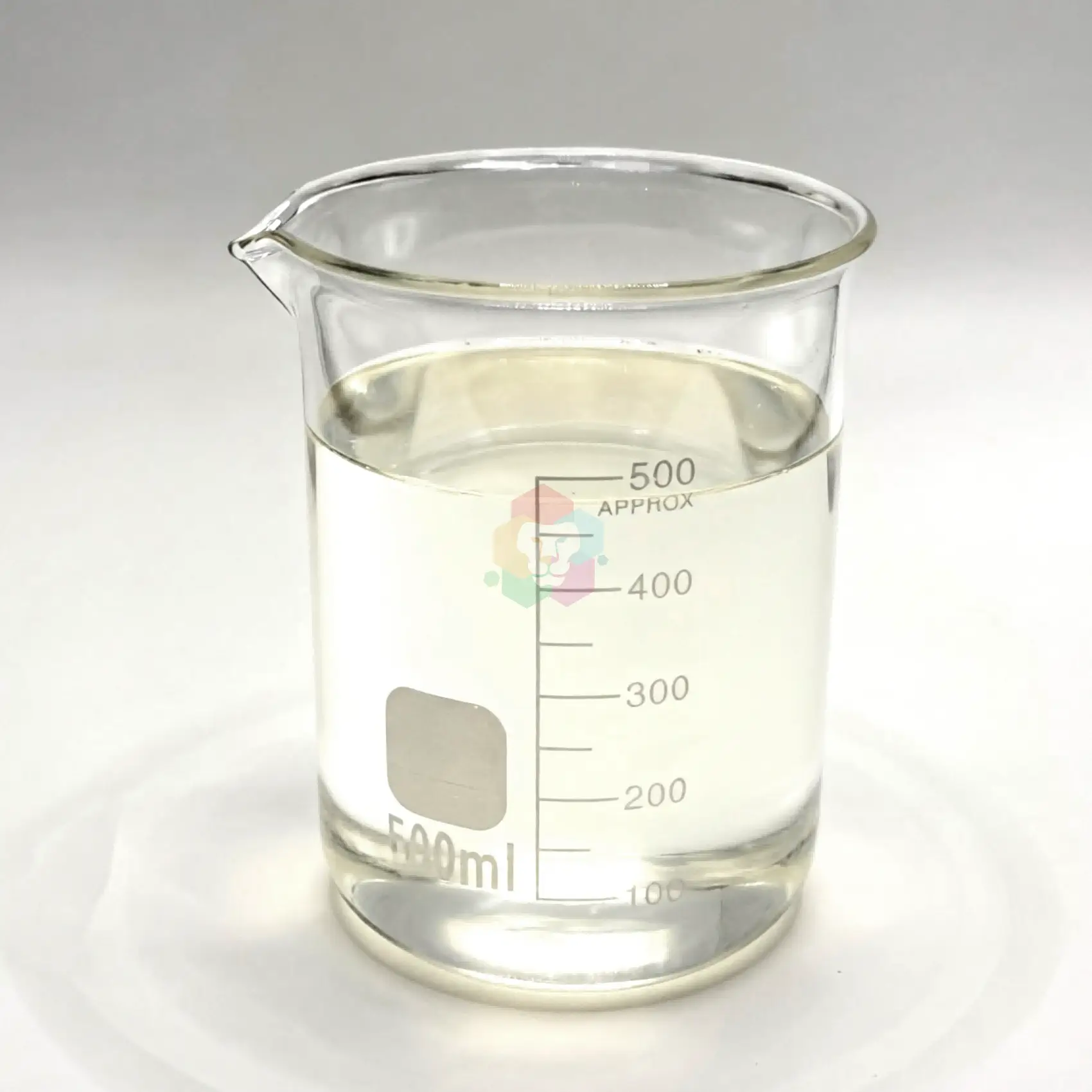
Disposable PVC infusion sets are directly connected to the patient’s vascular system and are therefore regulated under some of the strictest safety and quality requirements in the medical industry. Any plasticizer used in PVC infusion tubing must meet rigorous standards for biocompatibility, low extractable content, and longterm stability. Neon Lion’s epoxidized linseed oil, characterized by an ultrahigh epoxy value and ultralow acid value, provides a highly competitive solution for formulators seeking to move away from traditional phthalate plasticizers.
In infusion set applications, the transparency and mechanical integrity of the tubing are essential. Neon Lion’s epoxidized linseed oil possesses a highdensity of epoxy groups which significantly improves the thermal and light stability of PVC. During extrusion of infusion tubing, PVC can undergo dehydrochlorination, especially at elevated hightemperature processing temperatures. The epoxy groups in Neon Lion’s product effectively neutralize the liberated hydrogen chloride and form stable chlorohydrin structures, slowing the chain degradation of PVC. Thanks to its very high epoxy value, the oil exhibits strong buffering capacity, allowing manufacturers to process at an optimized temperature window without sacrificing color or transparency.
At the same time, Neon Lion’s very low acid value mitigates several potential issues commonly encountered in medical PVC. Free acids, if present, may catalyze additional PVC degradation, increase metal corrosion in molds and extruders, and raise the risk of patient exposure to irritating substances. By maintaining a very strict limit on acid value, Neon Lion ensures that residual free acids in its epoxidized linseed oil are kept to an absolute minimum. This not only extends the lifetime of processing equipment but also helps manufacturers achieve cleaner extractables profiles in regulatory testing.
From a clinical perspective, infusion sets must withstand sterilization and storage while keeping plasticizer migration as low as possible. The unique structure of Neon Lion’s epoxidized linseed oil enables strong interaction with the PVC matrix, while its high epoxy content contributes to partial chemical bonding with decomposition products. This dual effect improves plasticizer retention, reduces migration into the infusion solution, and improves compatibility with sensitive drugs, including cytotoxic or highly hydrophobic formulations.
In addition, the combination of ultrahigh epoxy value and ultralow acid value supports better longterm storage stability. Infusion sets do not easily yellow or become brittle over storage time, even in warm and humid environments. This helps hospitals and distributors maintain a reliable shelf life and reduces the risk of quality complaints or product recalls.
For formulators working on nextgeneration PVC infusion sets that comply with EU MDR, US FDA, and other regional regulations, Neon Lion’s epoxidized linseed oil provides a powerful tool. Its excellent stabilization performance allows for lower total additive loadings, simplifying the formulation and decreasing the potential for interactions among multiple stabilizers. Ultimately, Neon Lion’s epoxidized linseed oil helps create infusion sets that are more stable, safer for patients, and more robust against regulatory scrutiny.