
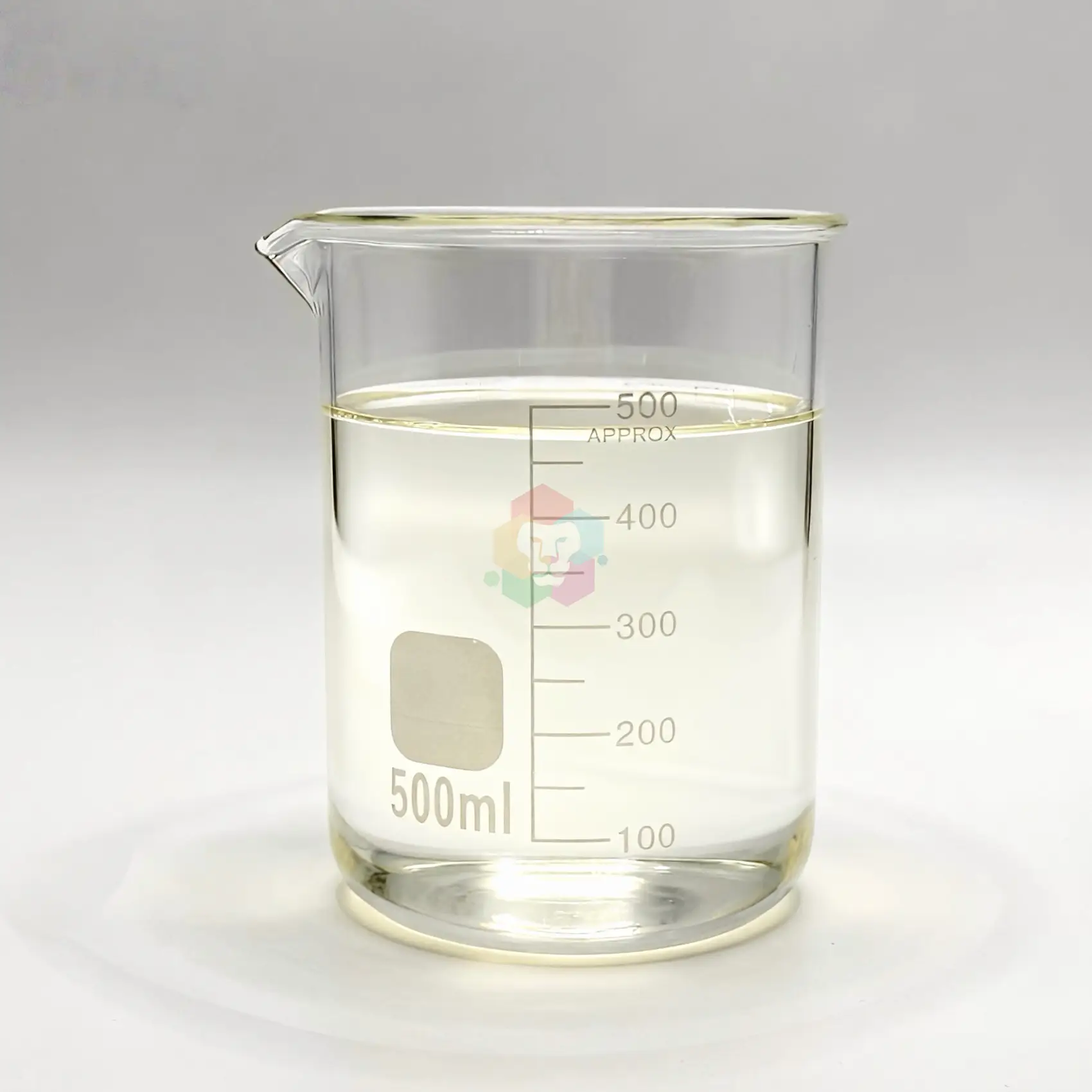
Blood bags and plasma bags represent some of the most demanding applications for PVC in the medical sector. These products are in direct contact with blood components for prolonged periods and must not negatively impact red blood cells, platelets, or plasma proteins. In this context, the choice of plasticizer and stabilizer is critical. Neon Lion’s epoxidized linseed oil, with its ultra high epoxy value and ultra low acid value, offers strong advantages for modern, safer PVC blood bag formulations.
Blood bag PVC must combine flexibility, durability, and low toxicity, while also maintaining clarity for visual inspection. Traditional phthalate plasticizers such as DEHP have been widely used but are increasingly restricted due to toxicological concerns. Neon Lion’s epoxidized linseed oil can work as a powerful part of phthalate reduced or phthalate free systems. Its high epoxy value ensures that it does more than simply plasticize: it actively stabilizes the polymer during processing and storage.
During high temperature film calendering or extrusion, PVC can release hydrogen chloride as it begins to degrade. The high density of epoxy groups in Neon Lion’s product allows it to react rapidly with this hydrogen chloride, forming stable chlorohydrin structures. Because the epoxy value is significantly higher than that of many competing epoxidized oils, the same dosage can provide stronger stabilization and better color retention. This is crucial for blood bags, where any yellowing or color change can interfere with visual quality checks and raise concerns about product integrity.
The acid value is equally essential in blood bag applications. Neon Lion meticulously reduces free fatty acids and acidic by products during production to achieve a very low acid value. Excessive acidity in plasticizers could potentially interact with blood components or promote hydrolysis of additives and stabilizers. By offering ultra low acid content, Neon Lion’s epoxidized linseed oil helps maintain a gentle chemical environment within the PVC matrix, which is beneficial for the preservation of red cells and plasma proteins during storage.
Another practical benefit of this favorable epoxy–acid profile is enhanced compatibility with sterilization technologies. Blood bags are typically sterilized by steam or gamma irradiation. Under these conditions, PVC can undergo additional stress, resulting in discoloration or loss of flexibility. The ultra high epoxy value of Neon Lion’s product allows it to continue capturing newly generated HCl even during sterilization, thus maintaining clarity and mechanical performance. At the same time, the low acid value reduces the probability of unwanted side reactions accelerated by heat or radiation.
From a regulatory and quality standpoint, using a plasticizer with ultra low acid value can simplify compliance with pharmacopeia requirements concerning extractables and leachables. Neon Lion’s epoxidized linseed oil contributes fewer acidic impurities to the system, helping manufacturers to meet strict limits on leachable organic acids and related substances that might migrate into stored blood.
Moreover, the combination of high epoxy value and low acid value improves long term storage stability. Blood bags made with Neon Lion’s epoxidized linseed oil exhibit reduced risk of embrittlement and maintain their flexibility over the product’s shelf life. This mechanical reliability decreases the chances of bag leakage or failure during transportation and clinical use.
By integrating Neon Lion’s epoxidized linseed oil into their PVC blood bag formulations, medical device manufacturers can move toward safer, more durable products that better satisfy clinicians, regulators, and patients alike. The exceptional epoxy value and minimized acid value of this product form the backbone of its performance and make it a strategic choice for upgrading next generation blood storage systems.