
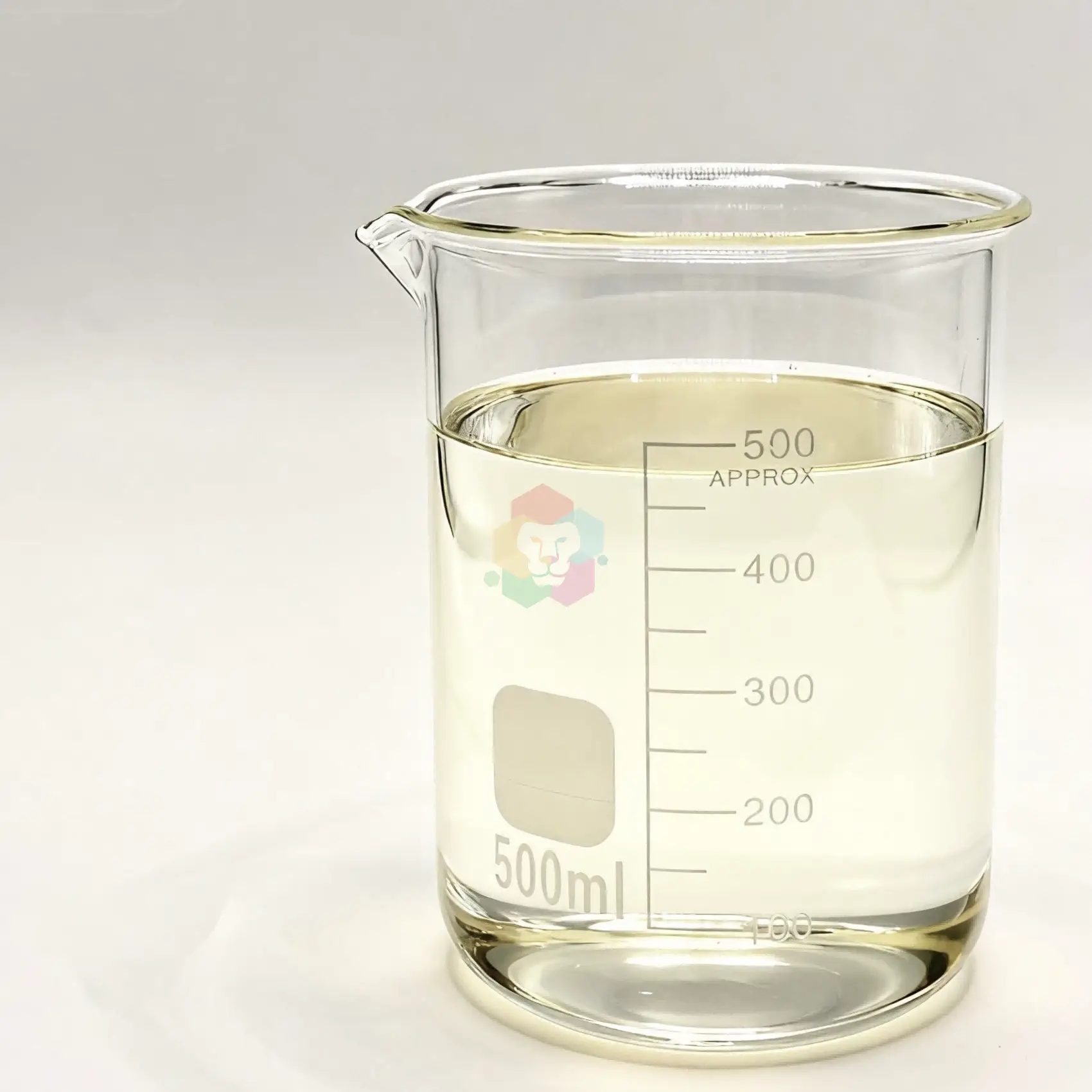
Epoxidized linseed oil (often abbreviated as ELO or ELOX) is a chemically modified form of linseed oil that has become an important additive in many modern industrial applications. But what really makes this material different from ordinary linseed oil, and why do manufacturers pay so much attention to it?
At its core, epoxidized linseed oil is derived from natural linseed oil, which itself is obtained from flax seeds. Linseed oil is rich in unsaturated fatty acids such as linolenic acid and linoleic acid. These unsaturated bonds can be chemically transformed through a process called epoxidation. During epoxidation, the carbon–carbon double bonds in the fatty acid chains react with an oxidizing agent, usually a peracid, to form three‑membered epoxy rings. The resulting product is still an oil, but now it contains many epoxide functional groups distributed along its molecular backbone.
Why does this structural change matter? The presence of these epoxy groups dramatically alters the way the oil interacts with other materials. Epoxidized linseed oil is widely used as a plasticizer and stabilizer in polymer systems, especially in polyvinyl chloride (PVC) formulations. The epoxy groups can react with or neutralize hydrogen chloride (HCl) that is released when PVC degrades thermally. In this way, ELO helps slow down degradation, improves heat stability, and extends the life of PVC products.
In addition to stabilization, ELO provides flexibility to otherwise rigid polymers. As a secondary plasticizer, it can work together with conventional plasticizers to improve the softness, processability, and impact resistance of plastics. At the same time, its relatively low volatility and good compatibility with PVC make it a safer and more durable option than some traditional plasticizers.
Another aspect that makes epoxidized linseed oil so significant is its origin from renewable resources. Because it is based on vegetable oil, it is more environmentally friendly than many purely petrochemical additives. This bio‑based nature aligns well with growing regulatory and market demands for greener, less toxic, and more sustainable materials. In coatings, adhesives, and biopolymer formulations, ELO also functions as a reactive diluent or crosslinkable component, contributing to the formation of tough, chemically resistant networks.
So what is epoxidized linseed oil? It is not just a modified vegetable oil but a versatile, reactive, and sustainable chemical tool that bridges the gap between traditional petrochemical additives and modern green material design. Its unique combination of functionality, performance, and renewability explains why it has attracted such strong and continuing interest.