
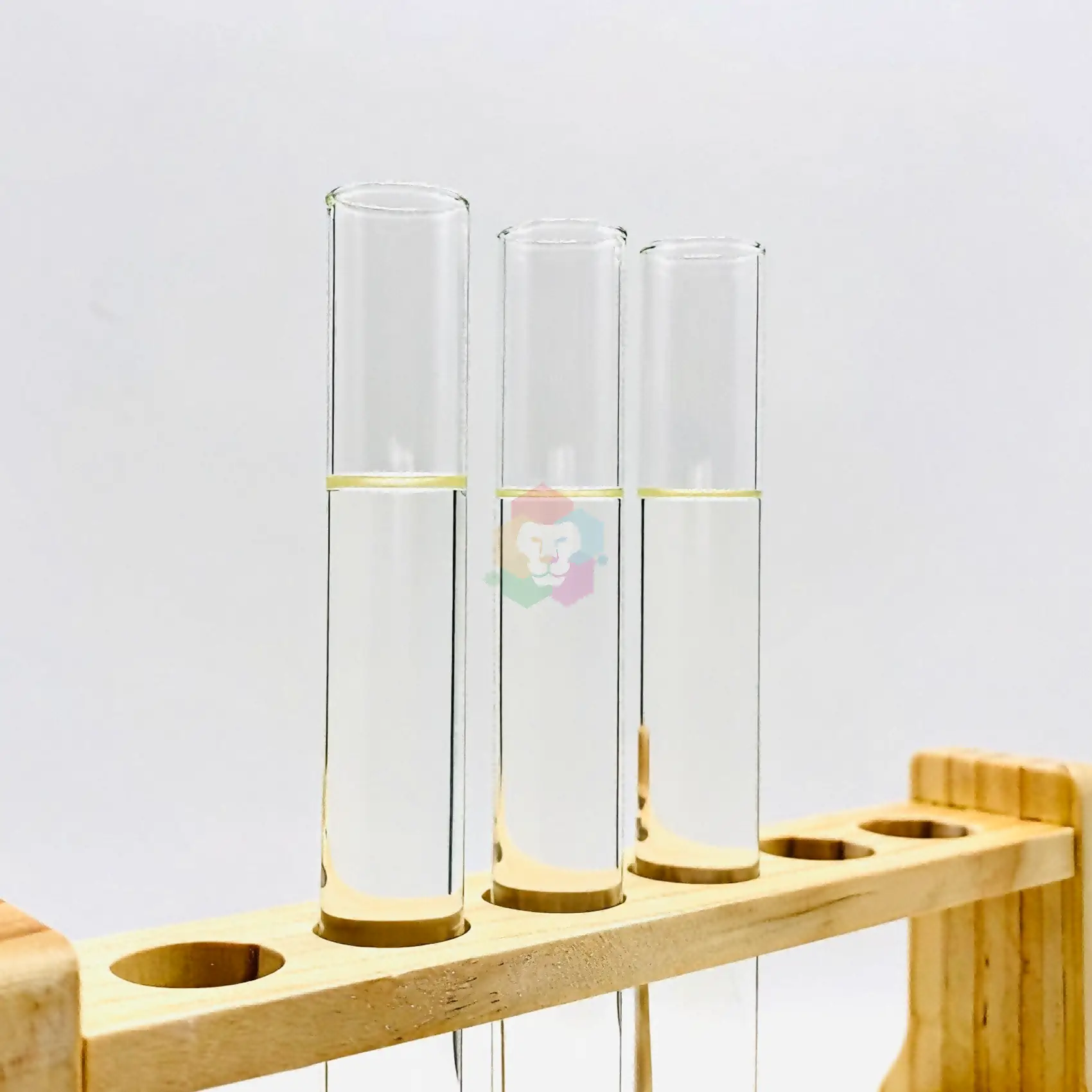
Epoxidized linseed oil (ELO) is a bio‑based, environmentally friendly additive made by epoxidizing natural linseed oil. Because it comes from a renewable plant source, ELO fits perfectly into the concept of green chemistry and sustainable materials, helping manufacturers reduce dependence on fossil resources and lower the overall carbon footprint of their products.
As a plant‑derived material, ELO contains long-chain fatty acids originally present in linseed oil. Through epoxidation, the double bonds in these fatty acids are converted into epoxy groups. This transformation not only preserves the flexible, hydrophobic backbone of the oil, but also introduces highly reactive functional sites. The result is a liquid additive that combines plasticizing effect, stabilization ability, and chemical reactivity in one molecule.
A key feature of ELO is its ultra‑high epoxy value compared with many other epoxidized vegetable oils. The higher the epoxy value, the more epoxy groups per unit mass, and the stronger its performance in real applications. In PVC and other chlorine‑containing systems, these epoxy groups effectively capture hydrogen chloride generated during processing and service, greatly improving heat stability, color retention, and long‑term aging resistance. At the same time, the flexible plant‑oil backbone helps enhance softness, toughness, and impact resistance of the final products.
Thanks to its green origin, low volatility, and favorable toxicological profile, ELO is widely used in formulations that must meet strict environmental and safety regulations, such as RoHS, REACH, and phthalate‑free standards. It provides a practical path for upgrading from conventional petrochemical plasticizers and stabilizers to high‑performance, plant‑based, eco‑oriented solutions.