
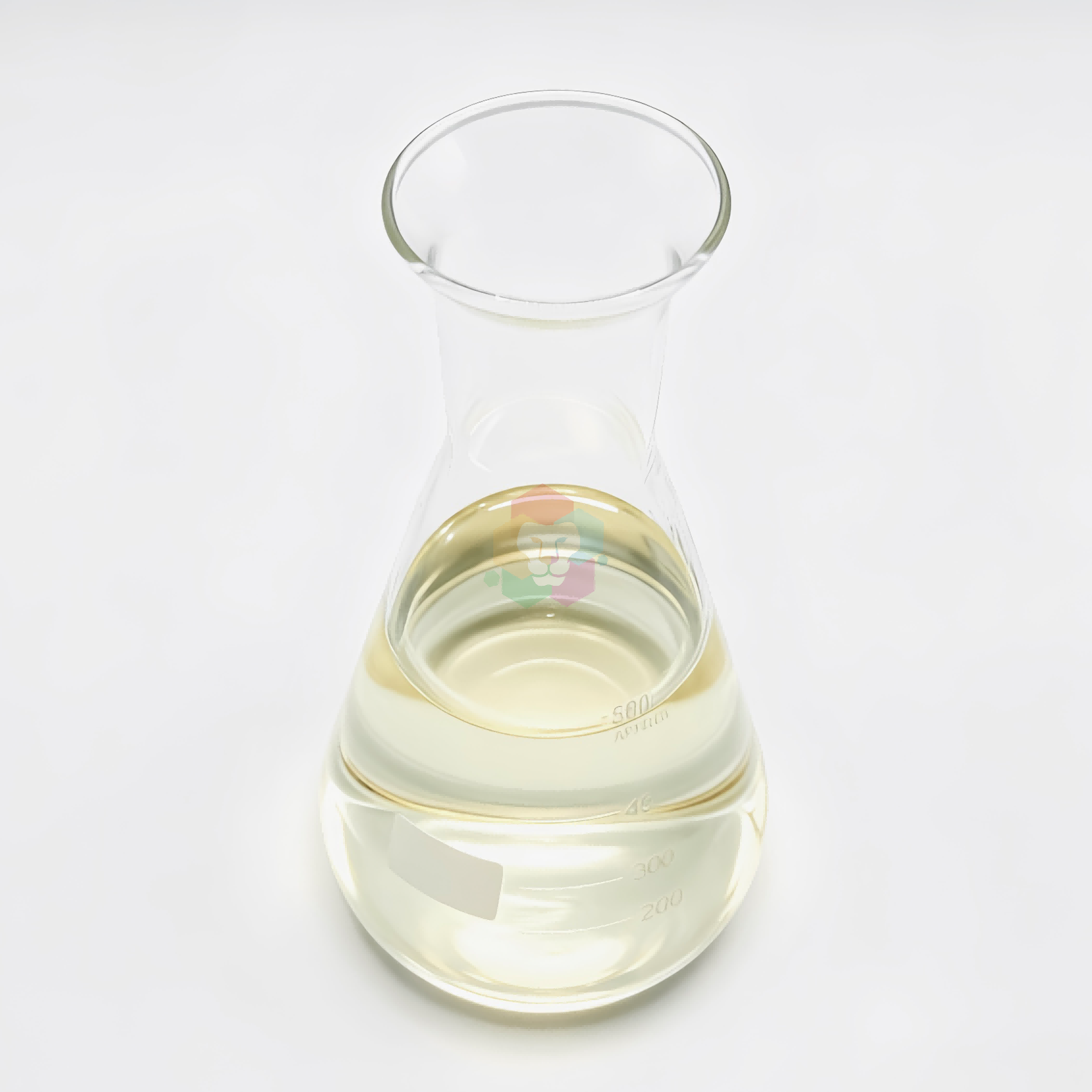
Epoxidized linseed oil (ELO) must be used with attention to dosage, compatibility, and processing conditions to achieve optimal performance and safety. In PVC formulations, ELO is typically used as a secondary plasticizer and stabilizer at levels of about 3–10 phr (parts per hundred resin), depending on the required flexibility, thermal stability, and cost targets. It is usually blended with a primary plasticizer such as DINP, DOTP, or other phthalate‑free esters, rather than used alone, to balance softness, migration resistance, and processing behavior.
Before full‑scale production, ELO should be thoroughly evaluated in lab trials. Formulators need to test its compatibility with the specific PVC resin grade, lubricants, fillers, and pigments. Poor compatibility can cause haze, exudation, or reduced mechanical properties. Melt flow, fusion time, gelation behavior, and final hardness should be checked on equipment such as a two‑roll mill, Brabender mixer, or internal mixer to optimize dosage and processing temperatures.
During processing, ELO is usually added with other liquid additives into the high‑speed mixer or premix tank. It should be stored in sealed containers, protected from excessive heat, light, and moisture to minimize oxidation and viscosity increase. Operators should follow standard chemical handling practices: wear gloves and goggles, avoid prolonged skin contact, and provide ventilation to reduce inhalation of vapors or mists.
Quality control is essential: monitoring acid value, epoxy oxygen content, and color index helps ensure consistent stabilization performance. In end‑use applications like cables, films, and flooring, migration, volatility, and aging tests should be conducted to confirm long‑term stability. By carefully controlling formulation, processing, and quality parameters, ELO can serve as an effective, bio‑based alternative to traditional plasticizers and stabilizers.