
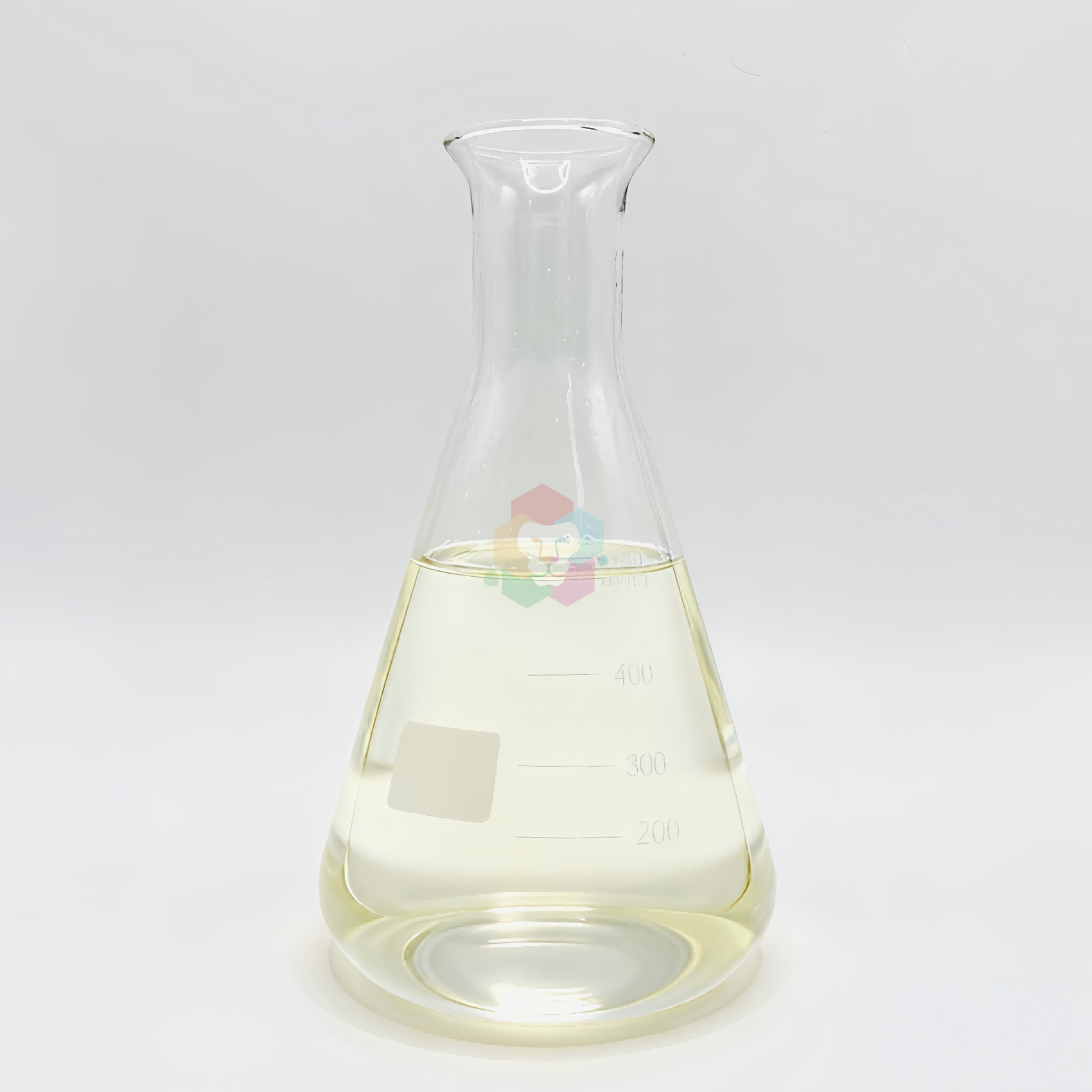
Epoxidized linseed oil (ELO), also known as epoxidized flaxseed oil, is a bio‑based plasticizer and stabilizer widely used in polymer and coating industries. It is produced by epoxidizing the double bonds in natural linseed oil, introducing reactive epoxy groups along the fatty acid chains. These epoxy groups give ELO its ability to improve flexibility, heat resistance, and weatherability in various materials, especially PVC.
In PVC formulations, ELO often serves as a secondary plasticizer and an HCl scavenger. During thermal degradation of PVC, hydrogen chloride is released, which can accelerate further breakdown of the polymer. The epoxy groups in ELO react with this HCl, slowing the degradation process and improving color stability. At the same time, the long aliphatic chains of the oil enhance flexibility and reduce brittleness, allowing formulators to decrease the use of traditional phthalate plasticizers.
Beyond PVC, epoxidized linseed oil is used in inks, paints, adhesives, and sealants, where it contributes to improved adhesion, chemical resistance, and UV stability. Because it is derived from a renewable vegetable oil and typically exhibits relatively low toxicity, ELO is considered a more environmentally friendly alternative to many petroleum‑based additives. However, its performance and compatibility must still be carefully balanced with cost and processing requirements in industrial applications.