
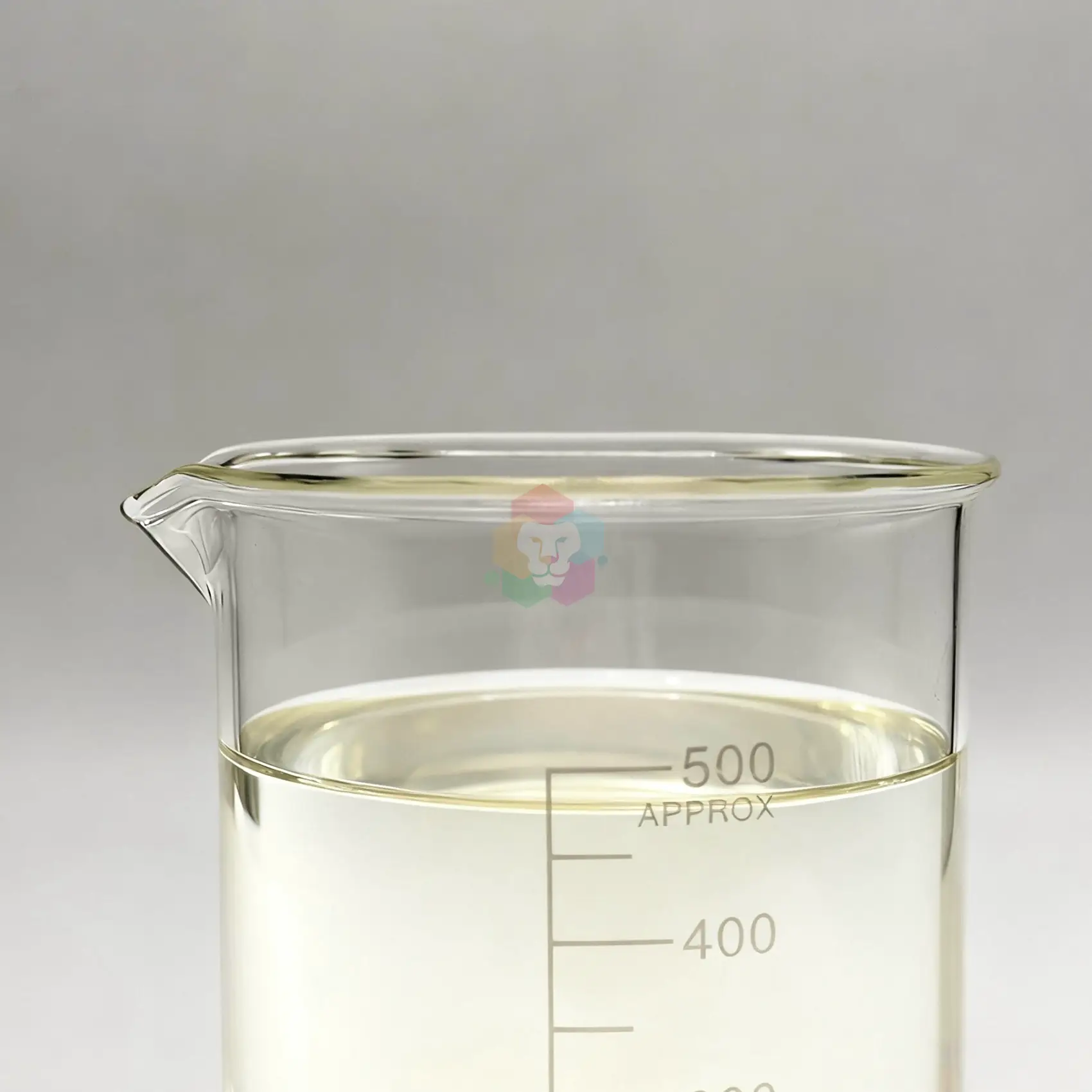
As industries worldwide search for more sustainable alternatives to traditional petrochemical additives, epoxidized linseed oil has gained a prominent position. But why has this particular modified vegetable oil become such a key player in the transition toward greener materials?
First, the origin of ELO is a major factor. Because it is based on linseed oil, which is derived from agricultural crops, epoxidized linseed oil is considered a renewable resource. Unlike plasticizers or stabilizers produced entirely from fossil fuels, ELO leverages biomass that can be grown and harvested repeatedly. This bio‑based aspect helps reduce dependence on non‑renewable resources and can lower the overall carbon footprint of products when managed responsibly.
Second, ELO offers an advantageous toxicological and environmental profile compared with some conventional additives. Phthalate plasticizers, for example, have been restricted in many regions due to concerns about potential endocrine‑disrupting effects and environmental persistence. Heavy‑metal stabilizers based on lead or cadmium have also faced strict regulation. Epoxidized linseed oil, by contrast, is generally regarded as having low toxicity and good biodegradability, making it attractive for applications that demand safer and more environmentally acceptable ingredients.
Third, ELO does not require a compromise on performance. In PVC formulations, it improves thermal stability by scavenging hydrogen chloride and other acidic species formed during degradation. At the same time, its long alkyl chains provide significant plasticizing action, lowering glass transition temperatures and improving flexibility. Thus, from cable insulation and floor coverings to synthetic leather and flexible packaging, ELO delivers tangible performance benefits alongside environmental advantages.
Beyond PVC, epoxidized linseed oil finds use in coatings, inks, sealants, and adhesives that aim to reduce volatile organic compound emissions and enhance sustainability. As a reactive diluent or co‑monomer, ELO can be chemically incorporated into polymer networks, reducing the need for non‑reactive solvents. This leads to coatings and resins with lower emissions, improved mechanical resilience, and high chemical resistance, all while maintaining a substantial bio‑based content.
Research and development efforts further highlight ELO’s strategic importance. Scientists are investigating ELO‑based thermosets, polyurethanes, epoxy systems, and biocomposites that combine natural fibers, such as flax or hemp, with bio‑based matrices. Such materials are promising for automotive, construction, and consumer goods applications where weight reduction, recyclability, and sustainability are key drivers.
Thus, the question is not simply why epoxidized linseed oil is “interesting,” but why it has become a cornerstone of green chemistry and materials science. Its unique balance of renewability, functionality, and performance has made it an exemplary case of how bio‑based chemicals can compete with and even outperform conventional petrochemical counterparts. In the broader movement toward circular economies and low‑carbon technologies, ELO is likely to remain an important ingredient for years to come.